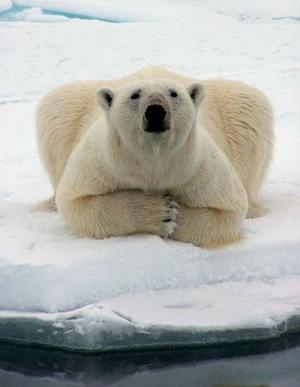
 In an article posted on NewScientist.com, a comprehensive critique of climate change and analysis was taken. The article notes that the US Endangered Species Act posted earlier this year has over 17,000 species classified as endangered. In a playful manner the article questions why the polar bear (#1 on the list) is getting all the hype and attention. Are not all the other 16,999 species of equal importance. By no means is this an actual argument.
To understand the Endangered Species act one should know what analysis went into produce it.
Each animals survival had to be assessed in so many words. How they reproduce, how they feed, How they raise young, et cetera. Here are a few examples of those aforementioned criteria. There were 90 criteria in total.
- Requirements for a specialized habitat: some amphibians depend on a stream or pond, so if that dries out there is no way they can survive.
- Specific environmental tolerances: many corals cannot survive if the water temperature or pH exceeds a certain threshold.
- Dependence on environmental cues: many species depend on changes in day length or rainfall to start breeding
- Dependence on interactions with other species: without prey a specialized predator cannot survive; lichen depend on trees, and many plants on their pollinators;
- Ability to disperse: as their historical habitats become increasingly hostile, species will need to move to new territories but may not be able to do so if there is something - a body of water, perhaps - in their way.
The researches then looked at all the criteria and which species would be affected by these. Then they also had to pinpoint the location of each species and how climate change would effect each location.
Is it getting harder to do the Endangered Species Act each year?
Is it our faults?
Brass Tax: Look it Up
1/2 of all amphibians
1/3 of all birds
2/3+ of all corals assessed are susceptible to climate change.
What protection methods should be used when nearly every ecosystem and ecological entity is at threat? When even our own species is inevitably at threat?
To check out this article Click Here!

No comments:
Post a Comment